4 Best Gutter Guards for Heavy Rain and Debris
🏠 Key Takeaways
The best types of gutter guards protect your foundation and basement from severe water damage. The ideal option depends entirely on the specific tree canopy surrounding your roof.
- Different yard environments require distinct physical screen materials.
- Drop-in foam inserts tend to trap organic matter and block drainage.
- Direct-mount installations preserve your existing asphalt shingle warranty.
- Every protective cover requires occasional cleaning to maintain flow.
Heavy rain can test the physical limits of a house. That’s because gutters shoulder the immense burden during a single storm—moving thousands of gallons of water away from the foundation.
When leaves, pine needles, and spring seeds clog those channels, the entire drainage system breaks down. Water spills over the edges and pools around the base of the structure. This constant overflow eventually degrades the foundation and floods basements.
This guide evaluates the best gutter guards for heavy rain and debris to simplify your decision. We compare mesh, screen, surface tension, and other gutter protection systems. You’ll also learn why certain options fail, how to set realistic maintenance expectations, and how specific installations affect an existing roof warranty.
What Are Gutter Guards, and Why Do They Matter?
Gutter guards are protective covers installed over existing rain gutters to filter out leaves, twigs, and debris while allowing water to flow freely. These systems prevent clogs and ensure rainwater safely diverts away from your home's exterior.
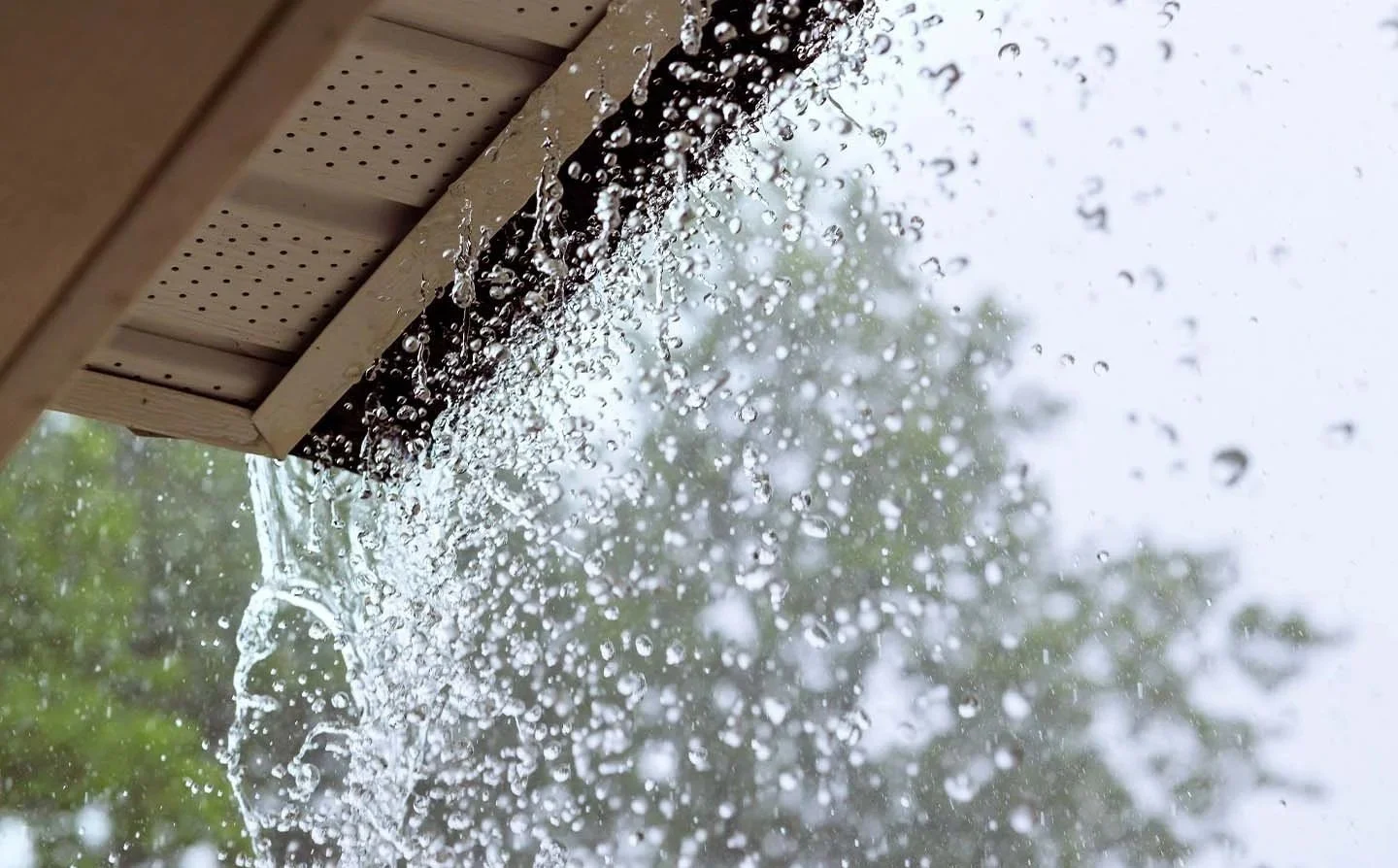
Unrestricted water flow dictates the structural health of the entire property. When heavy rain overwhelms a clogged system, the resulting spillover causes severe damage. Proper water diversion prevents several costly issues:
Foundation cracks: Water pooling at the base of a house softens the soil. The ground shifts, placing immense pressure on concrete walls until they fracture.
Basement flooding: Hydrostatic pressure forces standing water through porous concrete blocks and basement window seals.
Landscape erosion: A constant waterfall from overflowing gutters washes away topsoil, destroys garden beds, and creates trenching around the perimeter.
Fascia and soffit rot: Trapped water backs up under the roofline. This prolonged moisture rots wooden fascia boards and invites pest infestations.
The 4 Best Types of Gutter Guards for Rain and Debris
Selecting a reliable rain gutter guard requires matching the physical design to the specific tree canopy hanging above the roof. The market offers distinct categories, and each handles water and organic matter differently:
1. Micro-mesh systems
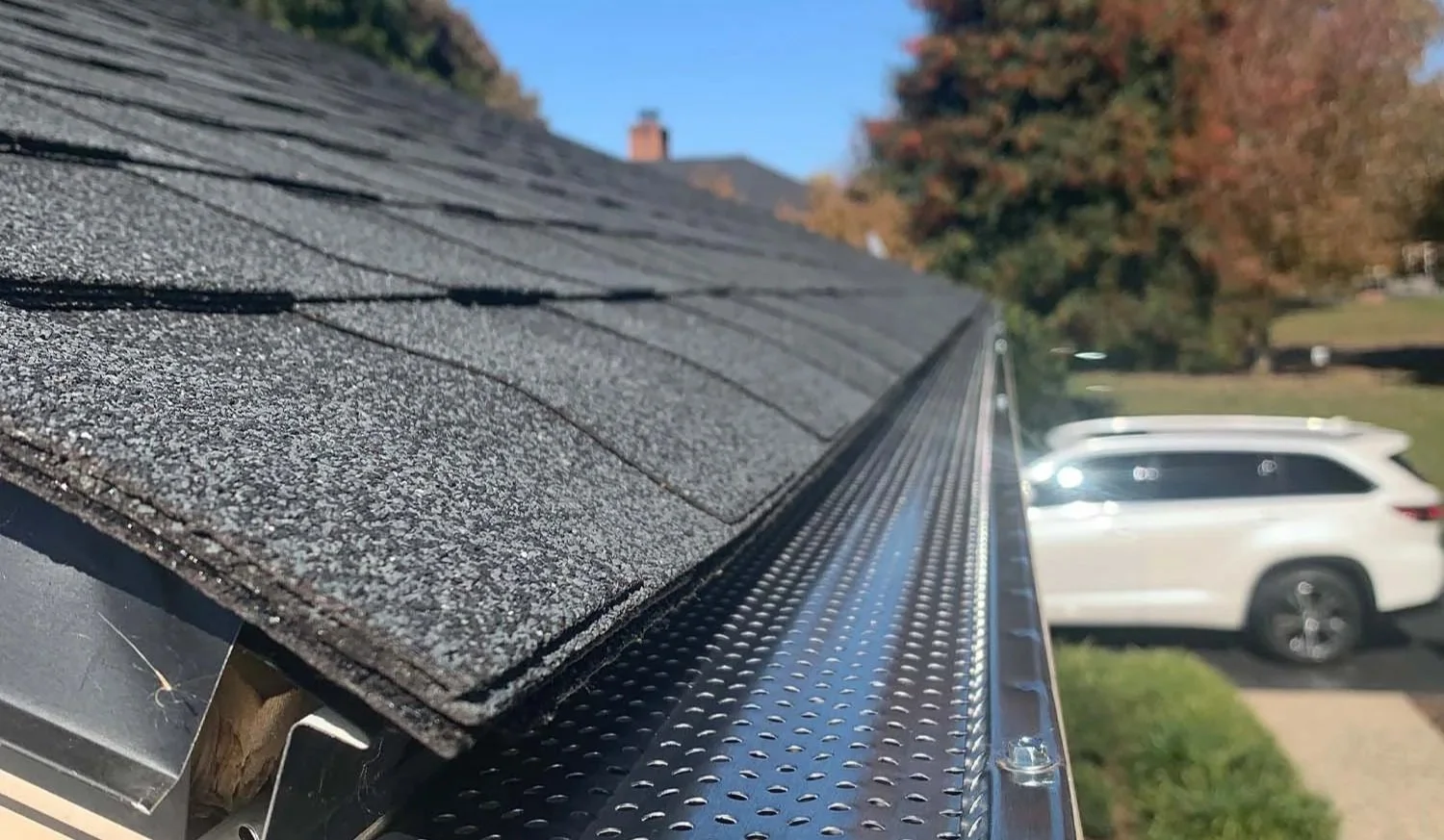
Built from surgical-grade stainless steel woven into a highly refined grid, micro-mesh acts as the ultimate filter. Manufacturers typically set these screens inside extruded aluminum frames to prevent rusting and warping over time. Its microscopic holes block stubborn pine needles, shingle grit, and sticky seed pods.

Image via LeafFilter
This tight filtration keeps the internal channel completely clear as high volumes of water pass through the fabric rapidly. Brands like LeafFilter and Gutterglove popularized this approach and provide a low-maintenance tool for yards surrounded by dense, varied foliage.
2. Reverse curve and surface tension guards
Solid helmet-style covers skip the filtration approach entirely. They rely on fluid dynamics instead. High-quality versions use heavy-gauge aluminum to withstand blunt force from falling branches and heavy ice buildup.
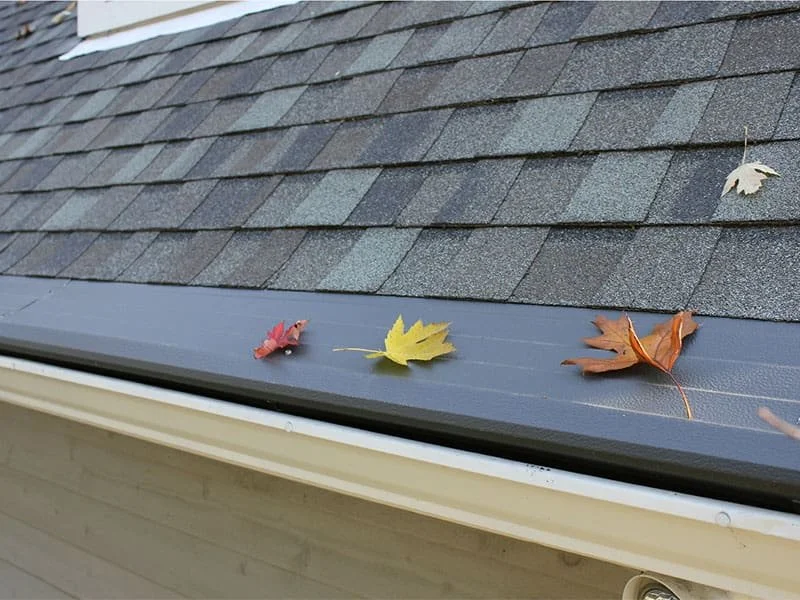
Image via Gutter Helmet
If your property regularly experiences massive downpours, these curved structures process heavy water volumes well. As rain hits the solid top, water clings to the rounded lip of the cover and rolls backward into the collection channel, while gravity takes care of the rest. Large, rigid oak or maple leaves slide straight off the edge and down to the ground.
Gutter Helmet and Leaf Guard are among the most recognized names utilizing this structural design.
3. Screen and perforated metal guards
Contractors often install perforated screens stamped from durable aluminum or powder-coated steel sheets. These specific metals resist corrosion while forming a sturdy physical barrier across the top of the trough.
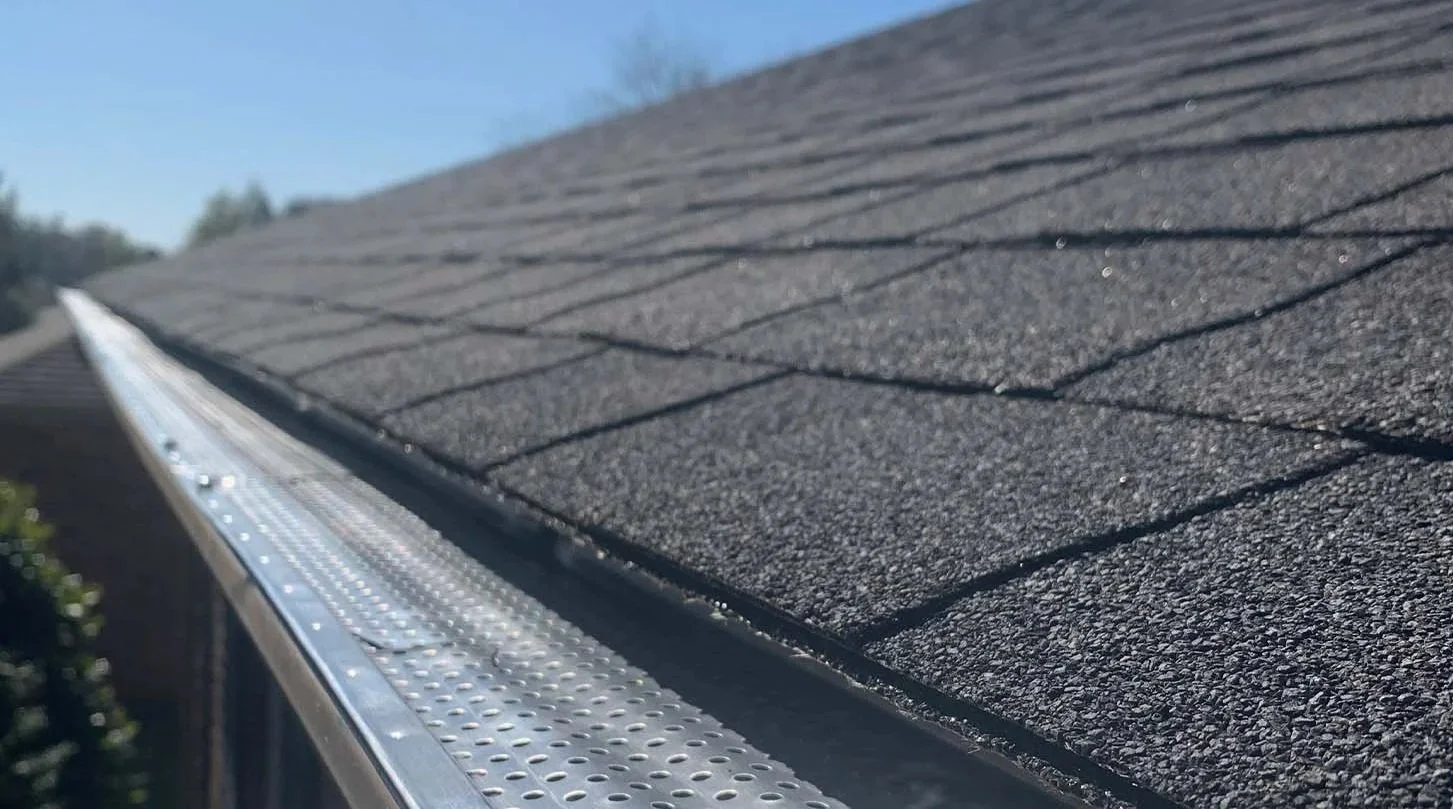
They effectively block standard autumn foliage like broad leaves and heavy twigs. Large punched holes allow plenty of air to circulate, keeping the internal channel dry between storms to prevent mold growth. Companies such as A-M Gutter Guard produce reliable aluminum versions.
4. Nylon and plastic snap-in guards
For a winter-resistant alternative, thick PVC or nylon covers snap directly into the trough without metal fasteners. The non-metallic plastic surface prevents ice from bonding tightly during freezing winter storms and provides strong cold-weather performance. Brands like Amerimax offer these accessible, off-the-shelf options.
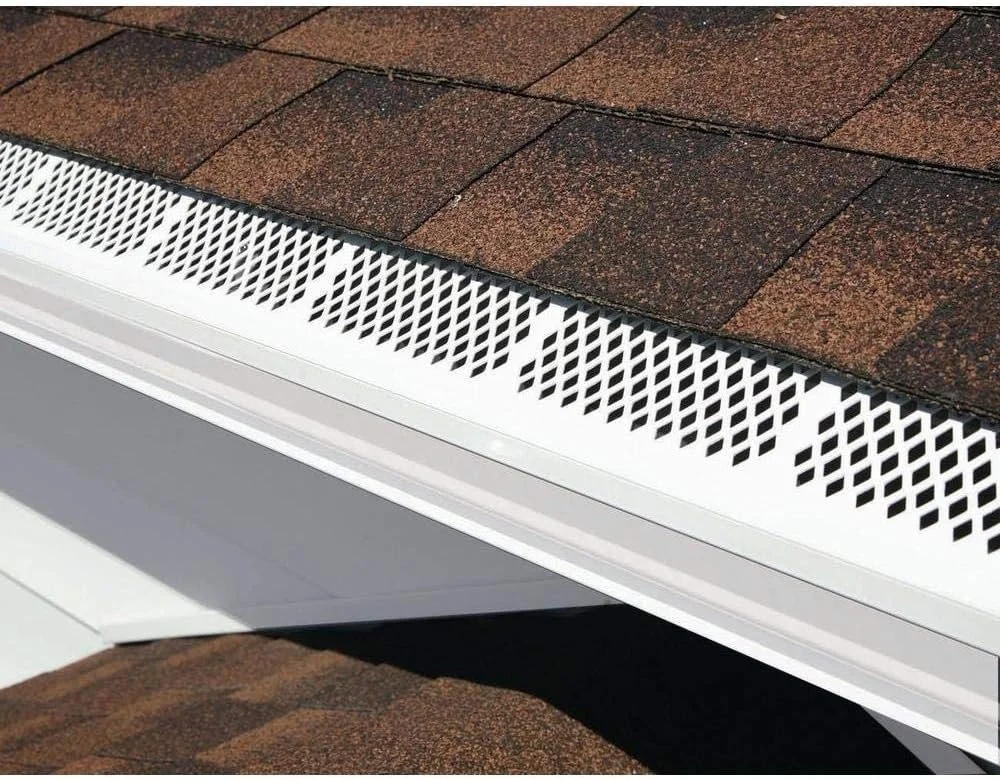
Image via Amerimax
However, there’s a clear trade-off to consider: intense summer UV rays often cause the plastic material to warp and become brittle. Heavy, wet snow loads can also crack the rigid panels after a few seasons of harsh weather.
Gutter Protection Systems: Debris Compatibility Chart
Visualizing how different materials handle specific yard waste helps narrow down your choices quickly. A dense oak canopy demands a completely different solution than a row of towering pine trees.
Use this quick reference guide to match the primary threats hanging over your roof with the most effective gutter protection systems available:
| Debris / Weather Element |
Micro-mesh | Reverse curve / Surface tension |
Screen / perforated |
Nylon & plastic snap-in |
|---|---|---|---|---|
| Pine Needles & Roof Grit | Best: Blocks even microscopic particles from entering the channel. | Poor: Small debris easily washes around the curve directly into the trough. | Fair: Needles stick in the holes and require manual brushing. | Fair: Similar to metal screens, fine grit accumulates over time. |
| Large Leaves (Oak, Maple) | Good: Keeps leaves out, though wet foliage may rest on top temporarily. | Best: The curved design allows broad leaves to slide right off the edge. | Good: Effectively blocks large foliage from entering the system. | Good: Serves as a solid physical barrier against bulky yard waste. |
| Spring Seeds & Helicopters | Best: The fine grid completely prevents sticky seeds from passing through. | Good: Mostly deflects them, though high winds might push some inside. | Poor: Stems frequently wedge firmly into the punched holes. | Fair: Blocks most seeds, but gaps near the edges catch stems. |
| Heavy Rain & Downpours | Good: Handles standard storms well; extremely steep roofs might see minor overshoot. | Best: Built specifically to channel massive amounts of water quickly. | Good: Allows adequate water flow during typical seasonal storms. | Fair: Warping from seasonal temperature shifts can cause water to leak behind the fascia. |
On brush and foam inserts
Seeking a quick, affordable way to keep your gutters clear makes complete sense. Drop-in materials like foam blocks or brush bristles initially seem highly practical. However, the physical design of these inserts frequently creates much larger structural problems.
Dense bristles and porous foam act like giant sponges instead of deflecting yard waste. They capture dirt, spring seeds, and small twigs deep within their synthetic structures. That trapped organic matter eventually decays right inside the trough.
This rapid breakdown builds a wet, dense barrier, and water flow halts completely. The resulting stagnant moisture quickly becomes a breeding ground for pests. Water eventually pools and spills over the edge, causing the exact foundation and fascia damage you set out to prevent.
How a Rain Gutter Guard Impacts Your Existing Roof
Your roof and gutters function as a tightly integrated system. Altering one component directly affects the other. People rarely consider how attaching a rain gutter guard might influence their existing asphalt shingles, but the installation method matters immensely.
Here’s what you need to watch out for when upgrading your home's drainage:
Risks of under-the-shingle installation
Many older designs require an installer to slide the back edge of the metal cover directly underneath the bottom row of roof shingles. This approach causes immediate structural problems:
Broken seals: Prying up that bottom layer permanently breaks the crucial factory sealant bond.
Moisture exposure: The disruption exposes the underlying wood deck to wind uplift and creeping water.
Voided warranties: Altering the roofing material in this manner frequently cancels the original manufacturer's warranty.
Benefits of direct-mount systems
Modern, professional installations solve this problem by bypassing the roof entirely.
Fascia mounting: Contractors secure certain covers directly to the fascia—the long, straight board holding the gutter itself.
Gutter-lip snapping: Other high-quality designs attach firmly to the front edge of the metal trough.
These attachment strategies protect your home by leaving the shingles, drip edge, and underlayment completely undisturbed. Always confirm the exact mounting process before approving any yard debris solution.
Gutter Guard Maintenance
Every exterior home product requires some level of upkeep to function properly. Even the best gutter guards need occasional attention to handle seasonal weather shifts successfully.
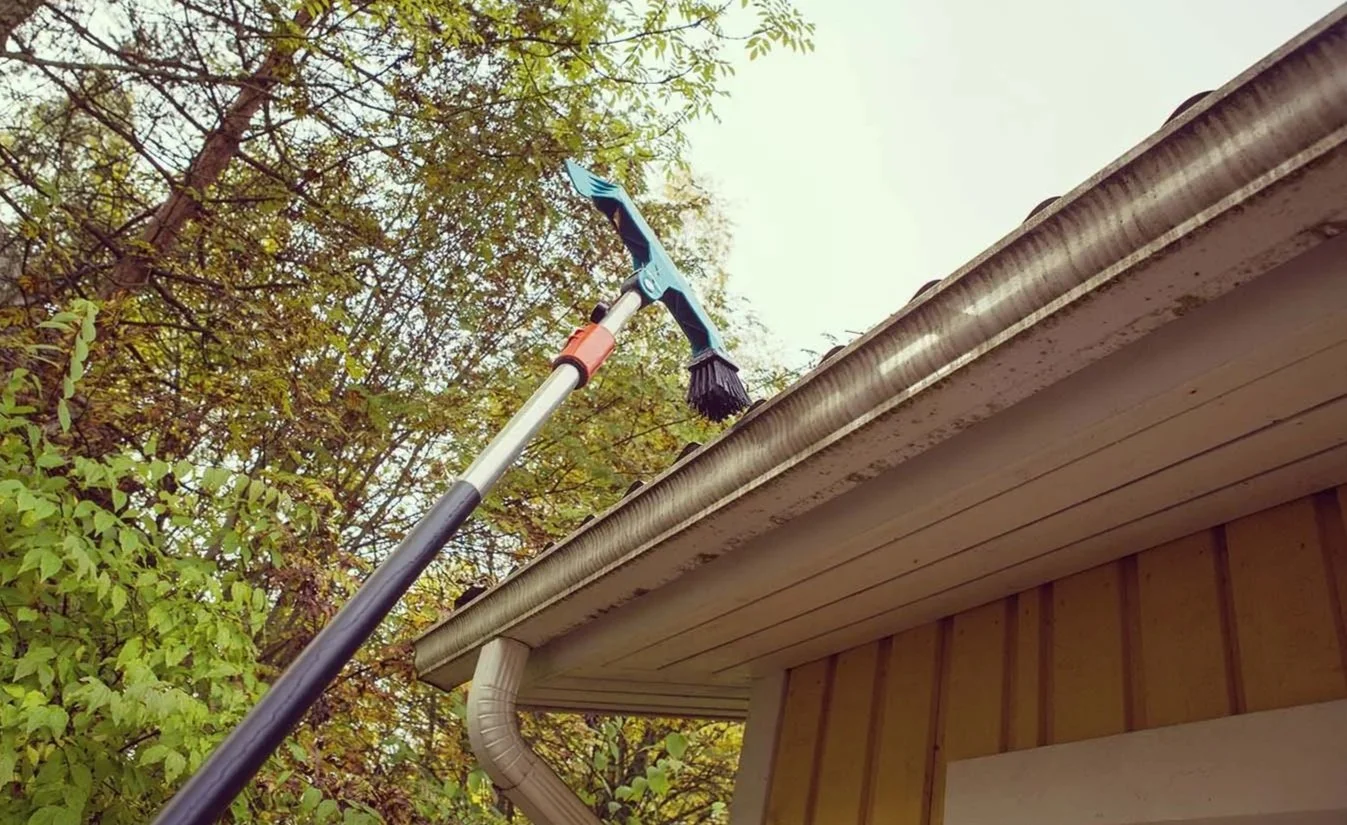
Here’s what maintenance involves for these systems.
Micro-mesh systems: Wind clears most dry leaves effortlessly. However, sticky tree sap, thick spring pollen, and wet dust can coat the fine metal grid. You’ll occasionally need to sweep the top surface with a soft-bristled broom to restore optimal water flow.
Surface tension and reverse curve: These rigid covers handle heavy, broad leaves perfectly. Yet, airborne dirt and algae build up along the rounded lip over time. This layer of grime disrupts the natural fluid dynamics. Wiping down the front edge restores the surface tension so water follows the curve instead of spilling onto the ground below.
Punched screens: Pine needles and seed stems frequently lodge directly into perforated holes. You have to manually pull or brush this trapped debris away. Additionally, fine silt washes through the gaps. Scoop out the internal channel every few years to prevent heavy sludge accumulation.
Routine visual inspections save you from nasty surprises. Grab a pair of binoculars during a heavy downpour and watch how the water behaves. If rain shoots over the edge or drips behind the fascia, your system needs a quick cleaning.
A Smarter Approach to Home Defense
Effective water management ultimately secures the physical footprint of your home. Quality covers turn seasonal upkeep from a risky, reactive chore to a quick ground-level inspection. By keeping the drainage channels clear, you avoid cascading structural failures at the roofline before they ever reach the basement.
Protecting a home requires honest advice. As a trusted roofing company in Michigan, Stable Roofing delivers a boutique, professional experience focused on long-term performance. We prioritize clear communication, clean job sites, and premium materials built specifically to withstand the state's unpredictable weather. Our local crews handle the installation the right way the first time.
Contact our team today to schedule a straightforward, no-pressure inspection.
Frequently Asked Questions (FAQs) About Gutter Guards
-
The most effective options include micro-mesh, surface tension, and perforated metal screens. The right choice depends entirely on your property's specific tree canopy, as fine micro-mesh filters stubborn pine needles while reverse-curve designs are built to handle massive downpours.
-
They can, if installed incorrectly. Sliding the back edge of a cover under your shingles breaks the factory sealant and voids the manufacturer's warranty. To prevent this, professional installers use direct-mount systems that attach strictly to the fascia or gutter lip.
-
No, foam and brush inserts usually create more structural issues than they prevent. They act like giant sponges that trap dirt, seeds, and small twigs inside the channel. This organic debris quickly decays into a dense sludge, blocking all drainage and causing dangerous water spillover.
-
Yes, because no system is entirely maintenance-free. While quality covers drastically reduce dangerous ladder climbing, you must still perform occasional visual checks. You will periodically need to sweep off heavy pollen, clear trapped seeds, or wipe down organic grime to maintain water flow.
-
Covers keep drainage channels clear so rainwater safely routes away from your home. Without them, clogged troughs overflow and pool water around your foundation. This constant saturation softens the surrounding soil, creating immense pressure that can eventually crack basement walls.