Need a Roof Leak Repair? 8 Signs of Roof Damage to Look Out For
🏠 Key Takeaways
Identifying the early signs of roof damage helps you plan a timely roof leak repair. Because water travels horizontally, the interior stain rarely matches the actual exterior hole.
- Look for expanding brown ceiling rings and damp attic insulation.
- Check your yard for missing shingles and heavy granule loss.
- Monitor metal flashing around chimneys for failing or cracked sealant.
Heavy winter snow and intense summer heat naturally test a roof’s endurance over time. Spotting a brown stain on your ceiling certainly brings a wave of stress, yet that isolated mark rarely indicates the entire structure is completely failing. Because water simply follows the path of least resistance, the indoor drip almost never aligns directly with the actual exterior breach.
Take a deep breath and look for specific symptoms before rushing to hire a crew in a panic. Standard surface wear looks very different from an active vulnerability that needs attention before the next changing season.
This diagnostic guide will help you understand how moisture travels and identify the real signs of roof damage. By knowing exactly what to look for, you can make an informed, confident decision about a potential roof leak repair.
What is a Roof Leak? Understanding the Physics
A roof leak occurs when water breaches your exterior roofing materials and infiltrates the home's structure. Instead of dropping straight down, moisture travels horizontally along the path of least resistance. Gravity pulls this water down underlayment, along rafters, and across ceiling drywall.
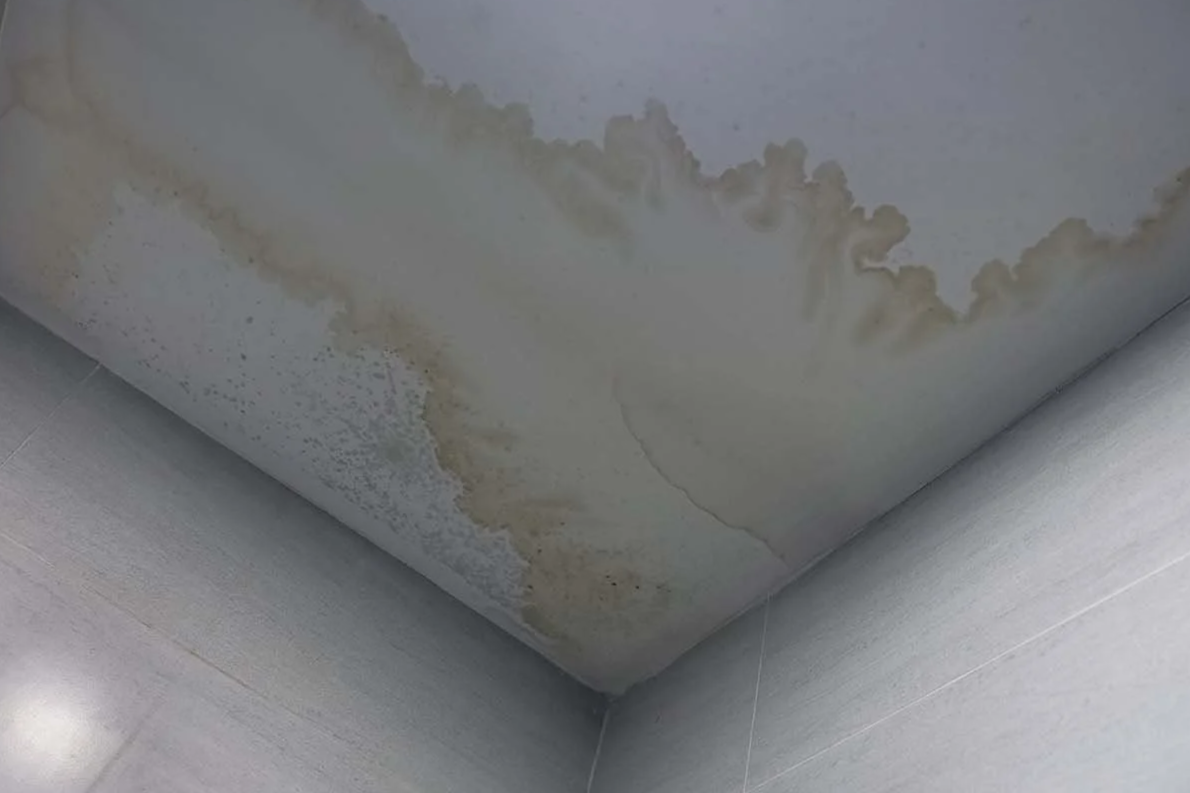
This horizontal movement creates a confusing reality for homeowners. Because water behaves opportunistically, you’ll rarely see the visible indoor drip align directly with the actual exterior hole.
Consider how the physics of water travel impacts your diagnosis:
Delayed effect: Weeks or months might pass between a harsh spring storm lifting a shingle and a stain appearing on your ceiling. Moisture slowly navigates your internal structural framework during that entire period.
Hidden source: The actual penetration in your roof deck almost always exists several feet away from the interior stain. The entry point usually originates much higher up the roofline.
This process clarifies why simply patching a water spot never solves the underlying issue. In other words, fixing the interior drywall will not stop roof leaks. You have to locate the true point of exterior entry.
8 Signs of Roof Damage to Look Out For
Walking through a practical diagnostic checklist helps you assess your home’s condition calmly. The following observations can help keep your inspection organized. Focus on verifiable facts rather than assuming the worst.
Interior symptoms of roof damage
Water often leaves a distinct trail inside your home long before any major structural failure occurs. Check these areas first:
1. Water spots and discoloration
Active indoor leaks leave a specific visual signature. Look for expanding brown rings on your white drywall. You might also notice bubbling paint or damp spots that grow noticeably larger immediately following heavy rain.
2. Attic indicators
Safely poke your head into the attic space with a flashlight during the day. Daylight shining through the roof boards immediately signals a physical breach. Look closely at the plywood decking for dark or black water streaks.
You should also check the insulation directly below the inner deck. Matted, discolored, and compressed fiberglass often confirms the need for professional roofing services for leak repair.
3. Unexplained musty odors
Sometimes you smell the water before you see a single drop. A persistent mildew scent inside specific rooms or closets strongly suggests moisture hiding right behind the drywall.
Exterior symptoms of roof damage
Climbing a steep roof pitch carries serious physical risks, and you might accidentally damage brittle materials up there. For this phase, grab a pair of binoculars to observe your exterior safely from the yard. If you spot multiple issues, consider calling a local professional for a safe, pressure-free inspection.
4. Shingle degradation
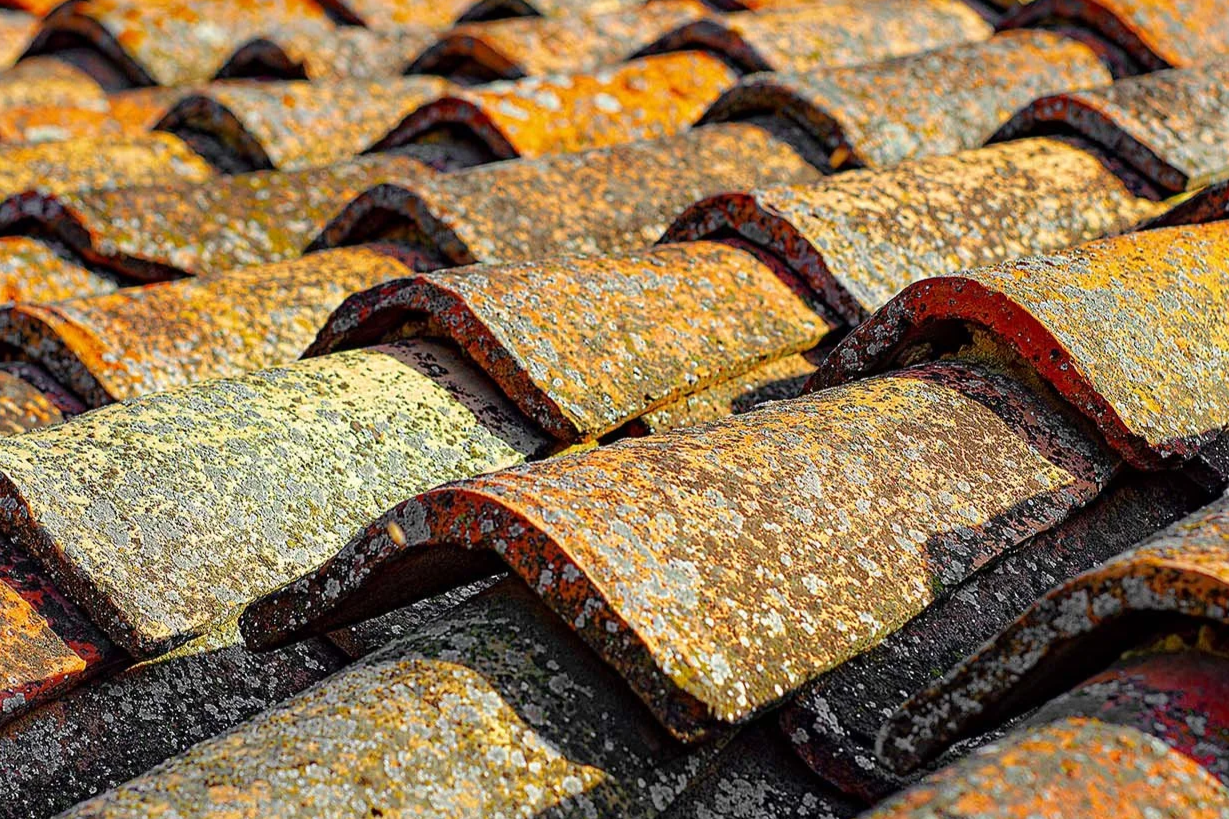
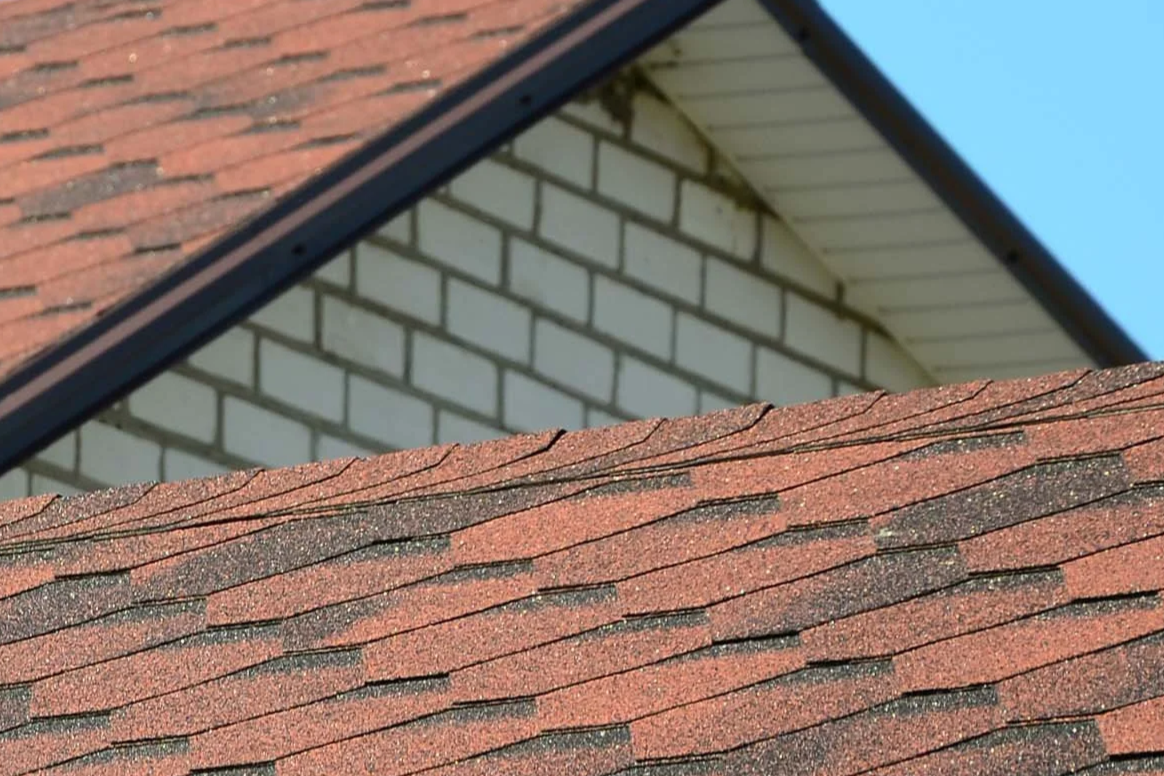
High winds frequently tear off individual shingle tabs. You should also watch for curling edges. Upward-bending shingles indicate poor attic ventilation or materials simply reaching the end of their useful life. Furthermore, thermal shock from extreme temperature swings causes the actual shingle surface to crack.
5. Gutter and downspout evidence
Heavy rain washes away loose material. Check the bottom of your downspouts for coarse black sand. This granule loss means the fiberglass mat is actively losing its defense against UV rays. Granule accumulation stands out as one of the most reliable signs of roof damage.
6. Algae and moss accumulation
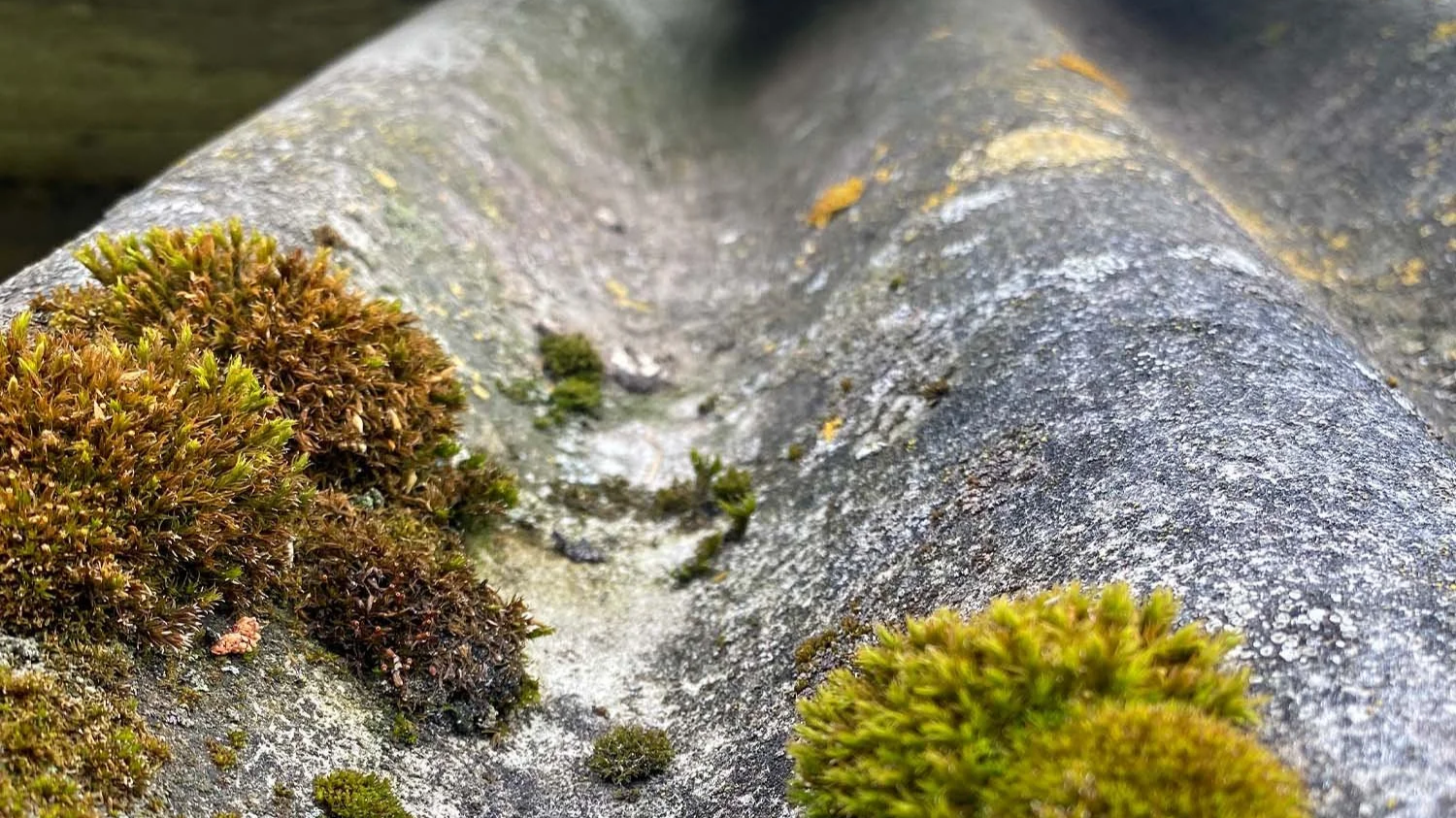
While a thin layer of green algae mainly presents a cosmetic issue, thick moss acts like a sponge. It holds water directly against the surface and slowly lifts the shingles away from the underlayment.
Flashing failure points leading to roof damage
The most frequent entry point for water has nothing to do with the shingles themselves. The true vulnerability usually lies within the roof flashing.
7. Penetration vulnerabilities
Moisture heavily targets the intersections on your roof. Any place where a chimney, plumbing vent, or skylight penetrates the deck creates a natural structural weak point.
8. Thermal expansion and sealant failure
Metal flashing protects these critical intersections. However, this metal constantly expands and contracts alongside shifting weather patterns. This continuous movement forces the roofing sealant to crack and dry out over time. The metal pulls away from the brick or pipe, creating a gap long before the field shingles actually wear out.
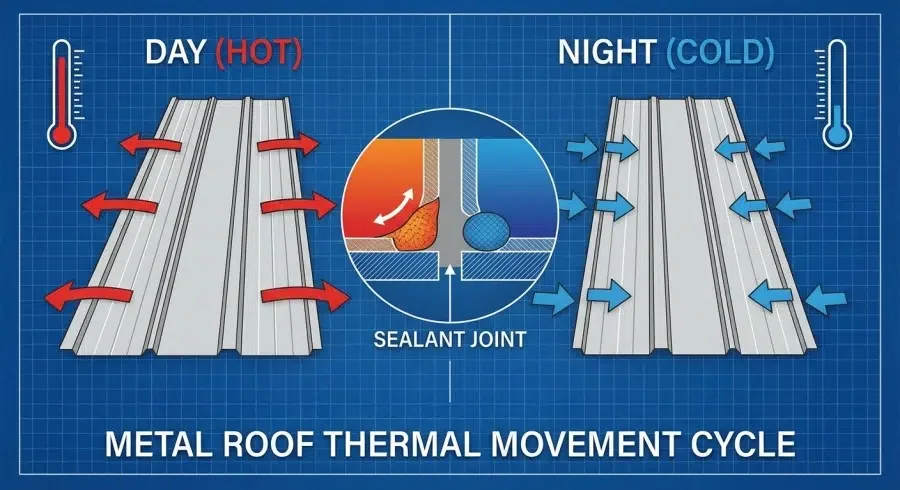
Addressing this specific failure serves as a highly effective leaking roof fix, protecting the surrounding wood from rot.
Restoring Your Peace of Mind
Discovering moisture inside your house demands attention, yet it rarely warrants sheer panic. Spotting these subtle symptoms early empowers you to tell the difference between routine maintenance and genuine structural vulnerabilities.
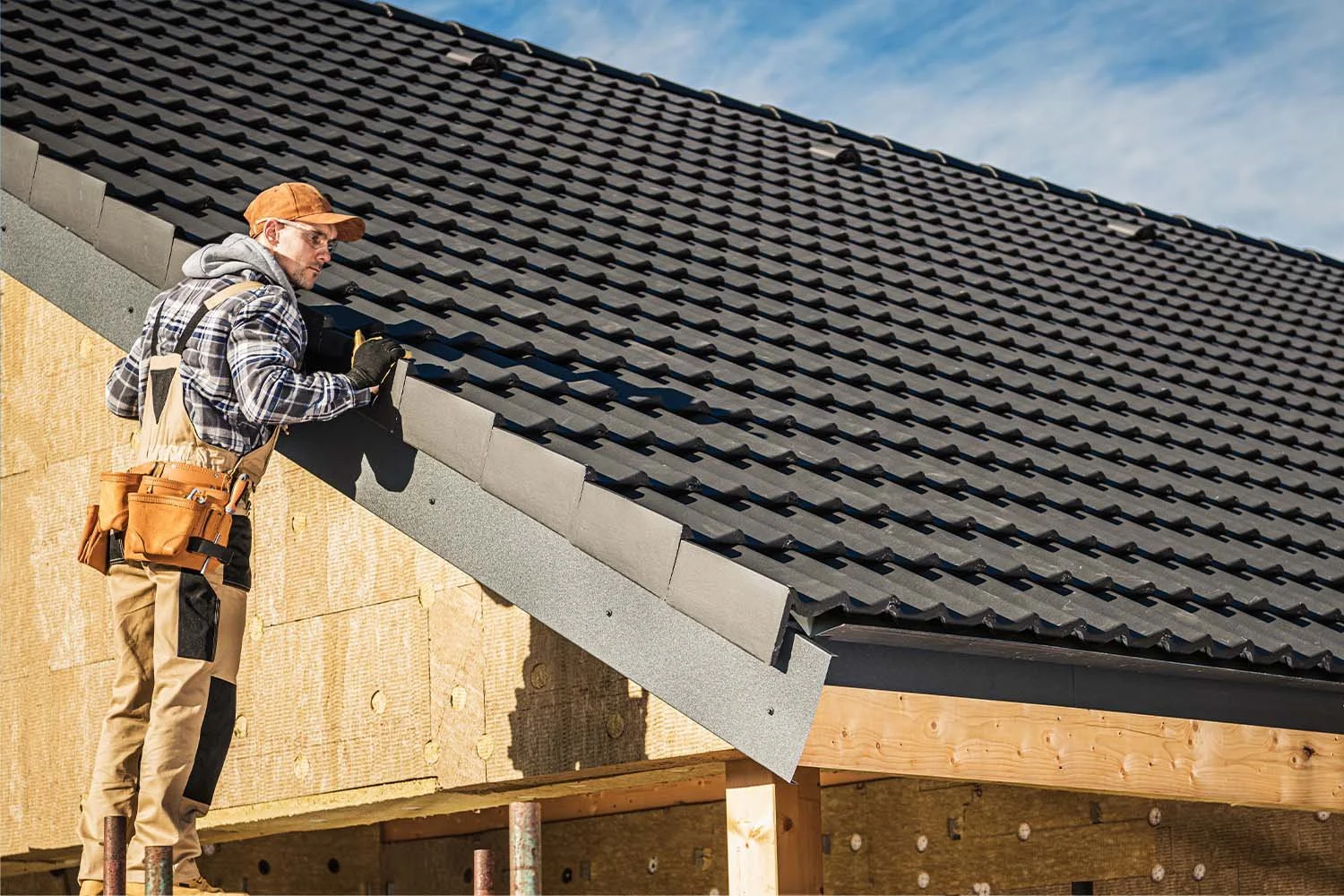
When you actively inspect your flashing and monitor your shingles from the ground, you intercept hidden decay long before it forces a complete roof replacement.
Stable Roofing delivers a distinctly personalized experience. As a trusted, boutique roofing company in Michigan, we prioritize honest communication and dependable craftsmanship. Our local team provides high-touch service and installs top-tier materials built explicitly for the region's shifting seasons. You receive a professional process, consistently clean job sites, and premium results without any high-pressure tactics.
Fill out the form or call the Stable Roofing team directly at 734-224-5849 to schedule your comprehensive inspection.
Frequently Asked Questions (FAQs) About Roof Leak Repair
-
Water consistently follows the path of least resistance, traveling horizontally along rafters and drywall before finally dropping into your living space. This hidden movement makes locating the actual exterior entry point difficult without a professional inspection.
-
Expanding brown rings on your white ceiling drywall serve as the most common early indicator of an active moisture breach.
Safely inspect your attic during daylight hours for matted insulation or dark water streaks running down the plywood.
-
Grab binoculars to check your shingles from the yard instead of climbing a dangerous ladder. You want to look for missing tabs, curling edges, cracked surfaces, or coarse black sand accumulating inside your downspouts.
-
The most frequent entry points occur around the metal flashing protecting your chimney, skylights, and plumbing vents. Extreme temperature swings force this metal to expand and contract, inevitably causing the surrounding sealant to crack and fail.